
The complete archive of analysis, briefings and research across all areas, most recent first.
-
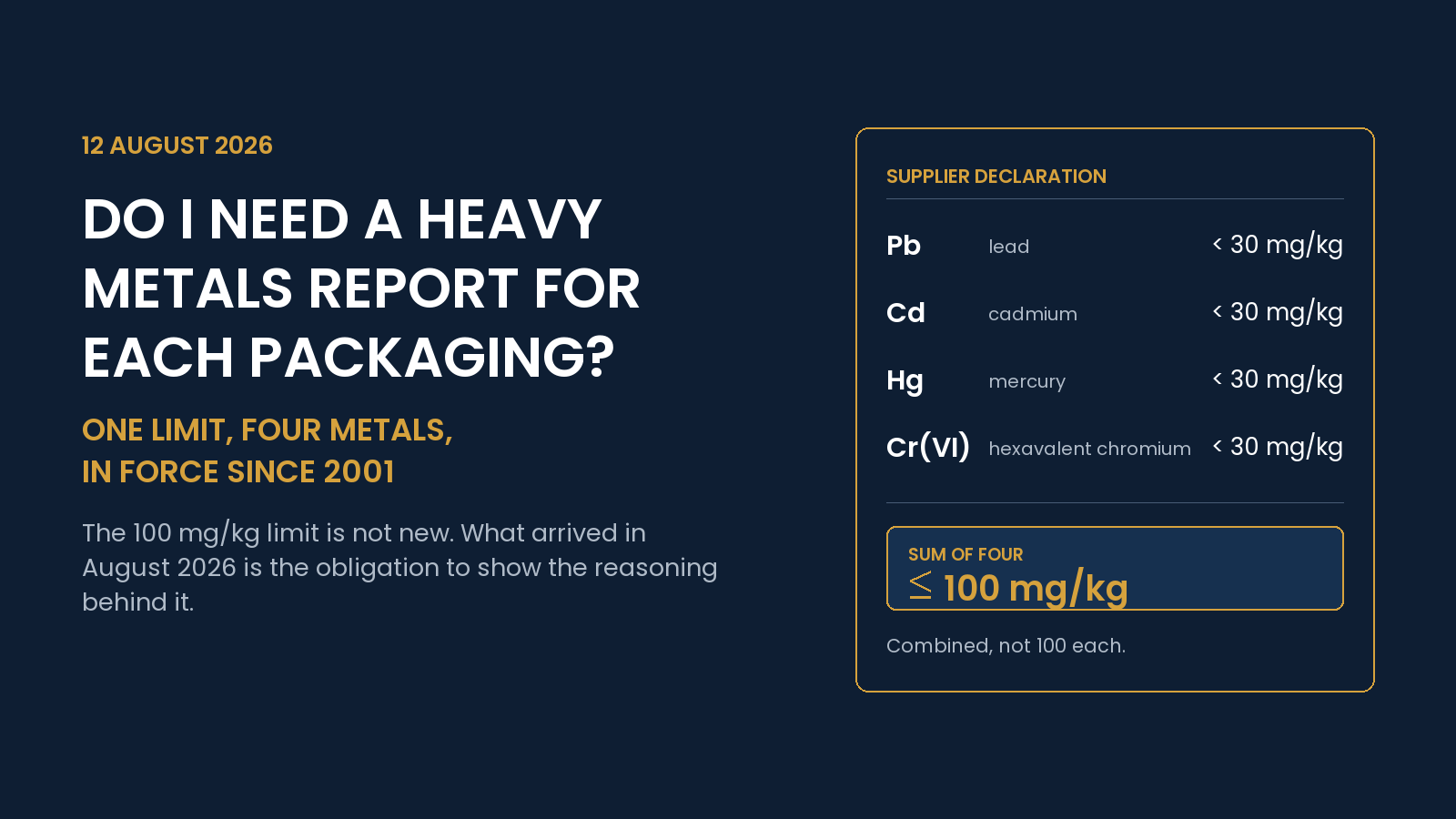
Do I need a heavy metals report for each packaging in Europe?
Do I need to test every component? Can I add supplier declarations together? Does “<30 ppm” actually mean 30 ppm? And what evidence does the PPWR really require?…
-

A coating that comes from the sea.
Chitosan is made from crustacean shell waste, matches PET as an oxygen barrier on paper when dry, repulps in conventional recycling, and is mildly antimicrobial. It has been…
-
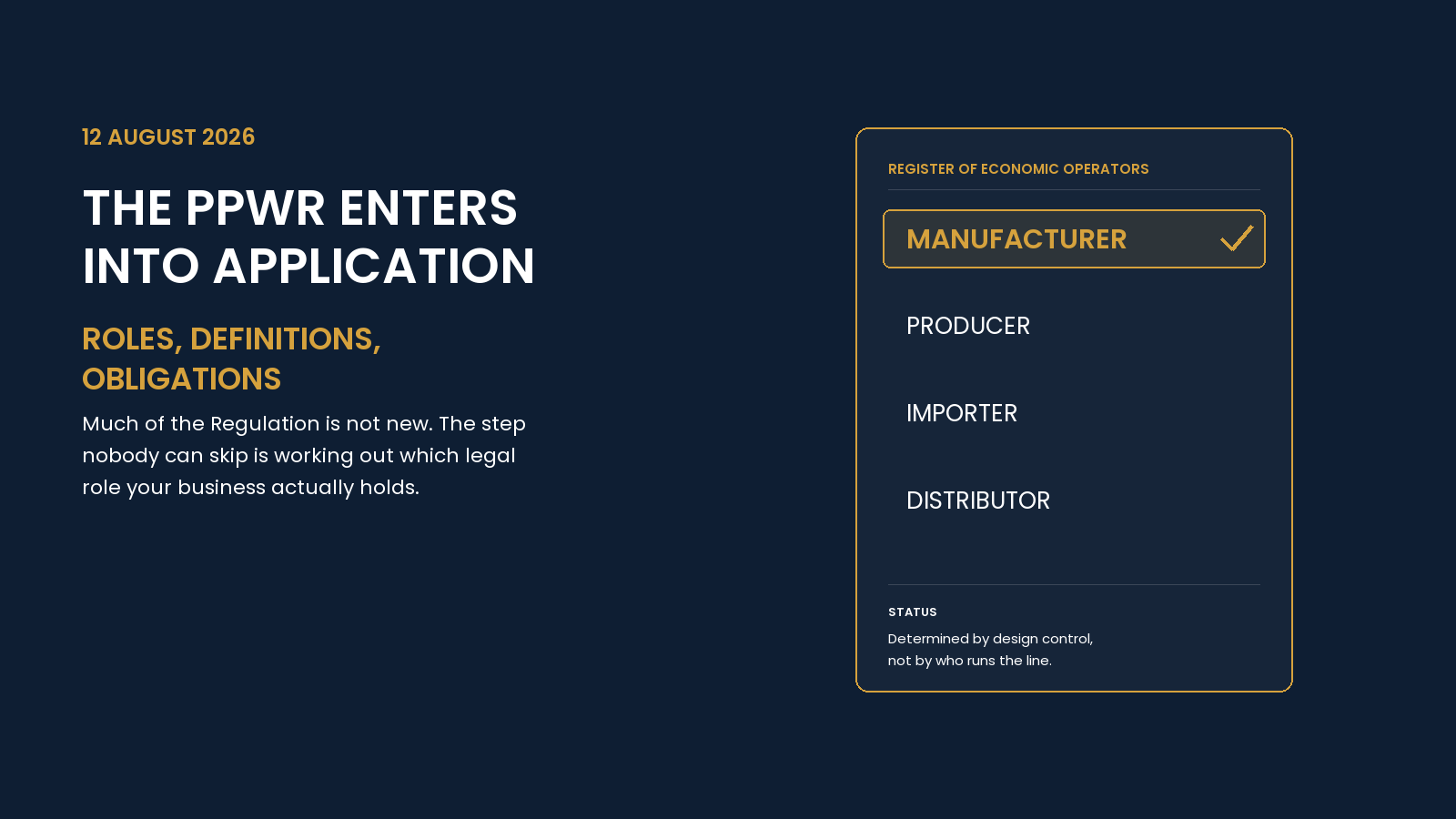
The PPWR enters into application. A tale of roles, definitions and obligations.
Regulation (EU) 2025/40 applies from 12 August 2026. Some of it bites hard today, much of it arrives in 2030, and the step that decides which parts apply…
-
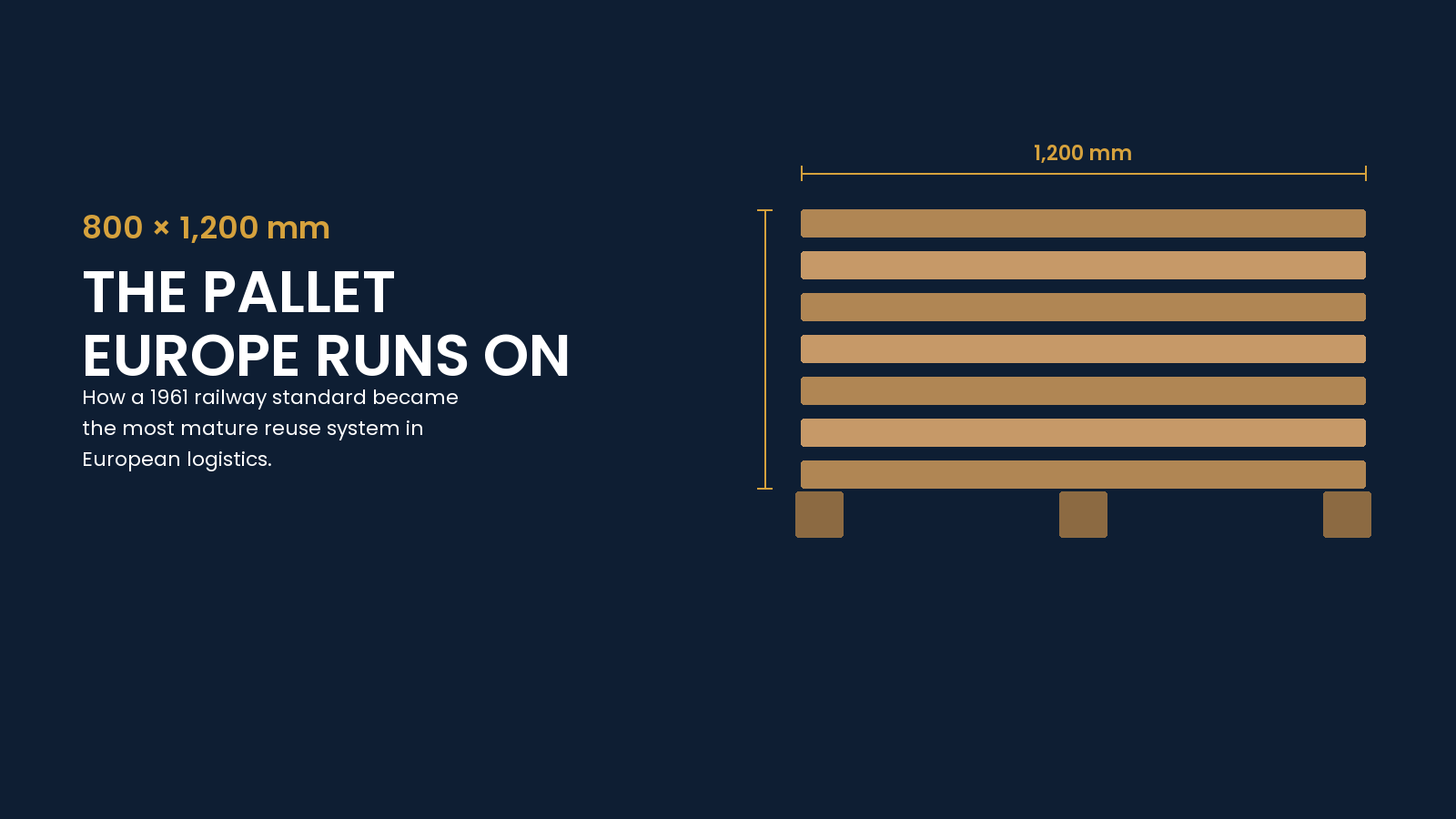
The Pallet Europe Runs On
It is 800 by 1,200 millimetres, built from eleven boards, nine blocks and 78 nails. What makes the Euro pallet worth explaining is not the wood, but the…
-

The Rhine at record low: why the date matters more than the depth
The Kaub gauge has fallen to 21 centimetres, the lowest since 1880. The record matters less than its timing: in 2018 the same depth was not reached until…
-

Envelope packaging under the PPWR: the contents decide, not the format
An envelope is not packaging or non-packaging as a class. Under Regulation (EU) 2025/40 the test turns on whether a product is being delivered, which is why an…
-

When Compliance Becomes Synthetic: AI Slop and the Distortion of the EU Packaging Regulation
A compliance article states, with complete confidence, that the PPWR contains recyclability grades A through E. It does not. How obsolete drafts and AI-amplified summaries are distorting corporate…
-

Why under-packaging is the costlier environmental mistake
In food, the worst packaging isn’t excess — it’s packaging that fails to protect. Most of a food’s carbon footprint is the food itself, so a pack that…
-

Empty space in food packaging: when it is waste, and when it is the whole point
A crisp bag is mostly air, and federal law already asks whether that is deceptive. The answer, and the science of modified atmosphere packaging, explain why some empty…
-

The mono-material myth: why “single material” does not mean “recyclable”
“Mono-material equals recyclable” is a myth. Single-material packaging is often not recycled, and “composite” is a legal category, not a recyclability verdict. What actually decides it.
-

The standards paywall: two rulings, and the question of who pays for the law
Two CJEU rulings established that technical standards which function as law must be freely accessible. What the Court decided, what it means for CEN/CENELEC, and who finances standards…
-

The circular bioeconomy: why circularity and the bioeconomy need each other
Circular economy and bioeconomy solve different halves of the same problem. Why their intersection, the circular bioeconomy, matters, and the business case for it.
Browse by area: Sustainability & Circularity · Policy & Regulation · Research & Publications